

When we think about how children learn and grow, we often focus on what they see, hear, and touch. But one of the most powerful—and underrated—senses is smell. From a parent’s familiar perfume to the scent of a favorite blanket, smells have the unique ability to shape a child’s memories, emotions, and even their sense of security.
In this post, we’ll explore the fascinating science of scent and memory in children, and how you can intentionally use smells to help your child feel calm, connected, and comforted.
The Science of Smell: Why It’s So Powerful for Children
Unlike sight and sound, the sense of smell (olfaction) is directly linked to the brain’s emotional center. When your child smells something—like a fresh cookie or lavender lotion—that scent travels straight to the limbic system, which controls both emotions and memory.
🧠 Scent and the Brain
Smell is the only one of the five senses that bypasses the brain’s thalamus (the relay center) and goes directly to the amygdala and hippocampus. These areas are responsible for emotional responses and forming long-term memories.
This is why a familiar scent can instantly soothe a crying baby, or why even adults can feel emotional when they smell something from childhood.
How Scent Shapes Memory, Comfort, and Bonding
👶 1. Early Scent Recognition Begins in the Womb
Babies start recognizing scents before birth. Around 28 weeks of gestation, a fetus can detect smells through the amniotic fluid. After birth, newborns instinctively turn toward the smell of their mother’s skin or breastmilk—building an early sense of trust and safety.
🧸 2. Comfort Objects Carry Emotional Anchors
Does your child have a blanket or stuffed toy they must have at bedtime? That object likely carries a specific scent memory tied to comfort. Over time, these objects become emotional anchors—their familiar smell helping to soothe anxiety and promote restful sleep.
🛁 3. Scent Can Reinforce Routine and Stability
Children thrive on routine. Associating certain smells with specific times of day or activities—like lavender at bedtime or peppermint during study time—can help signal transitions and make routines feel safe and predictable.
How to Use Scent Intentionally in Your Child’s Life
The goal is not to overwhelm your child’s senses, but to create consistent, soothing scent cues that help with memory formation, bonding, and comfort.
🌿 1. Create a “Comfort Scent” Ritual
Choose a specific scent that becomes associated with comfort and togetherness. You can use this during bedtime, cuddles, or moments when your child needs calm.
Ideas for comfort scent rituals:
- Apply a gentle, baby-safe essential oil (like chamomile or lavender) to a soft cloth or stuffed animal.
- Use the same scent during story time or before naps.
- Spray a tiny bit on your child’s pillow or blanket during travel or nursery drop-offs.
This scent, over time, becomes a bonding cue—a way to signal, “You’re safe.”
🧼 2. Use Scent in Routines to Build Memory
Link scents to routines to help your child develop a stronger sense of time and security.
Examples:
- Morning: Citrus or mint scents to energize and wake up.
- Bath time: Vanilla or coconut for warmth and familiarity.
- Bedtime: Lavender or chamomile to signal winding down.
Consistency is key. The brain begins to associate these smells with routine, which can help reduce stress and improve transitions.
🧴 3. Choose Calming Products Thoughtfully
Many baby products are scented—but not all scents are created equal. Be mindful of overly strong or artificial fragrances that could cause overstimulation or even allergic reactions.
Opt for diffuser-safe, baby-safe essential oils or natural-scented lotions and shampoos.
✅ Safe Scents for Children (in moderation):
- Lavender: Soothing and promotes sleep
- Chamomile: Calming and gentle
- Coconut: Comforting and warm
- Mandarin: Light and uplifting (safer than strong citrus)
- Vanilla: Familiar and cozy
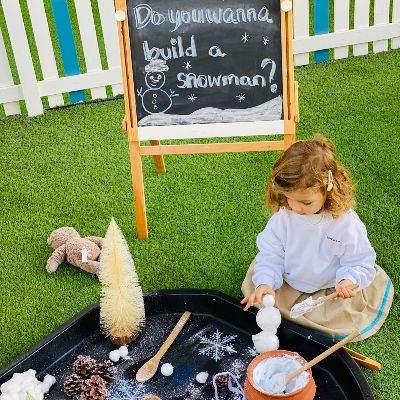
🎨 4. Turn Scent Into a Sensory Activity
Incorporate scent into sensory and messy play to stimulate your child’s brain in fun ways!
Try these scent-based activities:
- DIY scented playdough (add essential oils like cinnamon or mint)
- Smell jars with herbs, spices, or fruits
- Nature walks to collect flowers or leaves and talk about their smells
For more inspiration, check out our favorite sensory and messy activities.

Summary: Scent Is More Than Smell—It’s Memory, Emotion, and Comfort
By now, it’s clear: Smell plays a huge role in how children experience their world, form emotional connections, and build memories. Whether it’s the smell of your shirt or the familiar scent of their blanket, these olfactory signals help them feel grounded, secure, and loved.
You don’t need to go overboard. A small, intentional ritual involving scent can go a long way in helping your child navigate the big, emotional world around them.
👃 Try a Comfort Scent This Week
Pick one calming scent—like lavender or coconut—and begin using it during a quiet, bonding moment with your child. Notice how they respond over time. This “scent cue” could become a powerful emotional anchor for them.
Want to dive deeper into sensory-based bonding? Start with our article on sensory and messy activities to create playful, meaningful experiences with your child.